Unlocking Efficiency with HVAC Temperature Sensors for Smart Homes
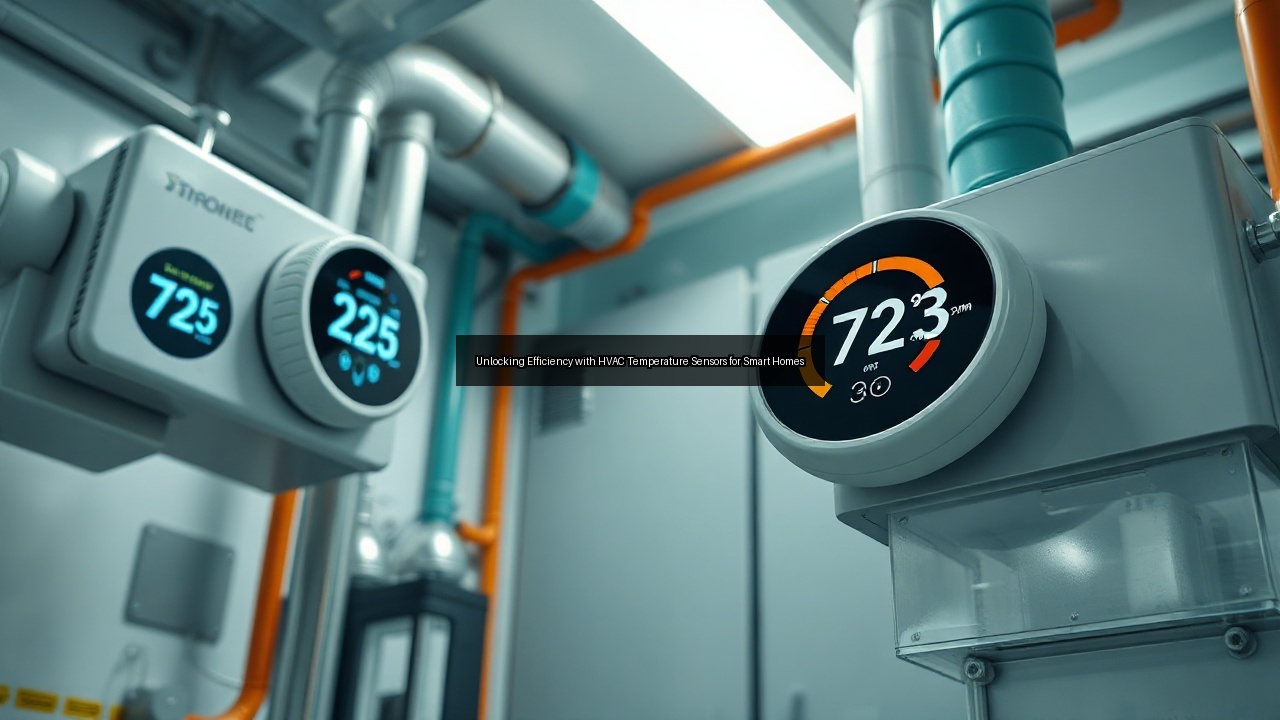
Understanding HVAC Temperature Sensors in Smart Homes
The Role of HVAC Temperature Sensors in Building Automation
HVAC temperature sensors play a crucial role in building automation by providing real-time data that helps maintain optimal heating and cooling conditions. These sensors monitor the temperature within a space, ensuring that the HVAC system operates efficiently. When integrated into a smart home setup, these sensors automate climate control, adjusting temperatures based on occupancy and external weather conditions. This not only enhances comfort but also significantly reduces energy consumption, leading to lower utility bills.
In the context of building automation, HVAC temperature sensors work alongside various components, including smart thermostats and air handling units. They continuously send temperature readings to the HVAC control system, which then makes adjustments as needed. For instance, if a room becomes too warm, the sensor signals the HVAC system to increase cooling, thereby maintaining a stable environment. This dynamic interaction between sensors and systems exemplifies how modern technology streamlines the management of indoor climates, making homes more comfortable and energy-efficient.
Types of HVAC Temperature Sensors: Thermocouples vs. Thermistors
Two primary types of HVAC temperature sensors—thermocouples and thermistors—serve distinct purposes in temperature measurement. Thermocouples consist of two different metals joined at one end, generating a voltage that correlates to temperature. They excel in extreme temperature ranges and are often employed in industrial applications or data centers where precise measurements are crucial. On the other hand, thermistors, which are ceramic-based resistors, offer higher sensitivity and accuracy over narrower temperature ranges, making them ideal for residential HVAC systems.
Understanding the differences between these two types of sensors aids in selecting the right one for specific applications. Thermistors respond quickly to temperature changes, providing accurate readings that enhance the performance of smart thermostats. This capability is essential for effective climate control in homes, especially in areas like attics or basements where temperature fluctuations can be more pronounced. Choosing the correct HVAC temperature sensor not only ensures optimal performance but also contributes to the overall efficiency of the HVAC system.
Enhancing Climate Control with Smart Thermostats
Integration of HVAC Temperature Sensors with Smart Thermostats
The integration of HVAC temperature sensors with smart thermostats revolutionizes climate control in modern homes. Smart thermostats utilize data from these sensors to create a seamless heating and cooling experience. They learn household patterns, adjusting temperatures automatically based on when the home is occupied or unoccupied. This intelligent adaptation maximizes comfort while minimizing energy use.
For example, when occupants leave for work, the smart thermostat can adjust the temperature based on sensor readings, ensuring that the HVAC system doesn’t waste energy cooling or heating an empty home. Some systems even allow homeowners to control temperatures remotely through mobile applications, adding convenience and flexibility. This integration not only enhances user experience but also supports energy-saving practices that benefit both the environment and household budgets.
The Impact on Indoor Air Quality and Energy Efficiency
HVAC temperature sensors significantly impact indoor air quality (IAQ) and energy efficiency. By maintaining consistent temperatures, these sensors help control humidity levels, preventing the growth of mold and allergens. Consistent temperature regulation creates a more comfortable living space, reducing the risk of health issues associated with poor air quality.
Moreover, the energy efficiency of HVAC systems improves with the precise data provided by temperature sensors. When HVAC systems operate efficiently, they consume less energy, which directly translates into cost savings on energy bills. For homeowners, this means not only a more pleasant living environment but also lower monthly expenses. Smart thermostats equipped with HVAC temperature sensors can even provide insights into energy usage, allowing users to make informed decisions about their heating and cooling habits.
Calibration and Maintenance of HVAC Temperature Sensors
Importance of Calibration for Accurate Temperature Measurement
Calibration of HVAC temperature sensors ensures accurate temperature measurement, which is vital for optimal HVAC performance. Over time, sensors can drift from their original settings, leading to erroneous readings that compromise climate control. Regular calibration checks, ideally aligned with recommendations from the National Institute of Standards and Technology (NIST), help maintain the accuracy of these devices, ensuring that the HVAC system functions as intended.
Proper calibration not only enhances the reliability of temperature readings but also extends the lifespan of HVAC sensors. When sensors provide accurate data, the HVAC system operates more efficiently, reducing wear and tear on components. This proactive approach to maintenance can prevent costly repairs and extend the overall lifespan of the HVAC system, resulting in long-term savings for homeowners. Neglecting calibration can lead to inefficient operation, increased energy consumption, and ultimately, a less comfortable living environment.
How to Calibrate HVAC Temperature Sensors: A Step-by-Step Guide
Calibrating HVAC temperature sensors involves a straightforward process that ensures accurate readings. Here’s a step-by-step guide to help you calibrate these devices effectively:
- Preparation: Gather necessary tools, including a NIST-traceable thermometer for comparison and a screwdriver if adjustments are needed.
- Remove the Sensor: Carefully disconnect the HVAC temperature sensor from its mounting location to avoid damage.
- Measure Temperature: Use the calibrated thermometer to measure the ambient temperature near the sensor.
- Compare Readings: Check the reading from the HVAC temperature sensor against the thermometer. If there’s a discrepancy, calibration is necessary.
- Adjust Calibration: If adjustments are needed, follow the manufacturer’s instructions for the specific sensor to recalibrate it. This may involve turning a calibration screw or entering a new value in the sensor’s settings.
- Reinstall the Sensor: Once calibrated, reinstall the sensor and test it again to ensure it reflects accurate readings.
- Document Changes: Keep records of calibration dates and any adjustments made for future reference.
Regular calibration of HVAC temperature sensors not only ensures accurate temperature control but also enhances the efficiency of the entire HVAC system, resulting in improved comfort and lower energy costs.
Future Trends in HVAC Systems and Temperature Monitoring
The Role of Occupancy Sensors in HVAC Control
Occupancy sensors are emerging as pivotal components in the evolution of HVAC systems. These sensors detect the presence of people in a room, allowing HVAC systems to adjust settings based on actual occupancy. When a room is unoccupied, the HVAC system can reduce heating or cooling, conserving energy and enhancing overall efficiency.
Integrating occupancy sensors with HVAC temperature sensors creates a dynamic system that optimizes climate control. For instance, if a room is empty during the day, the HVAC system can automatically enter an energy-saving mode. Conversely, when individuals return home, the system can quickly adjust to comfortable temperatures. This synergy not only enhances comfort but also significantly reduces energy waste, aligning with sustainable living practices.
Innovations in Temperature Monitoring for Data Centers
The demand for advanced temperature monitoring solutions in data centers continues to grow, driven by the need for reliability and energy efficiency. Innovations in HVAC temperature sensors now enable real-time monitoring and management of critical environments. These sensors provide precise temperature readings that help maintain optimal conditions for sensitive equipment.
Advanced monitoring systems integrate machine learning and IoT technology, allowing for predictive maintenance and automated adjustments to HVAC systems based on temperature trends. By employing these sophisticated sensors, data centers can minimize downtime and enhance the reliability of their operations. This proactive approach to temperature management not only safeguards valuable equipment but also contributes to significant energy savings, making data centers more sustainable.
See Also
- A Deep Dive into Calibration Techniques for HVAC Temperature Sensors
- Exploring the Connection Between HVAC Temperature Sensors and System Longevity
- Understanding the Importance of Thermowells in HVAC Systems
- The Impact of Occupancy Sensors on HVAC Temperature Regulation
- How HVAC Temperature Sensors Enhance Indoor Air Quality