Enhancing Indoor Air Quality through Effective Temperature Sensor Calibration
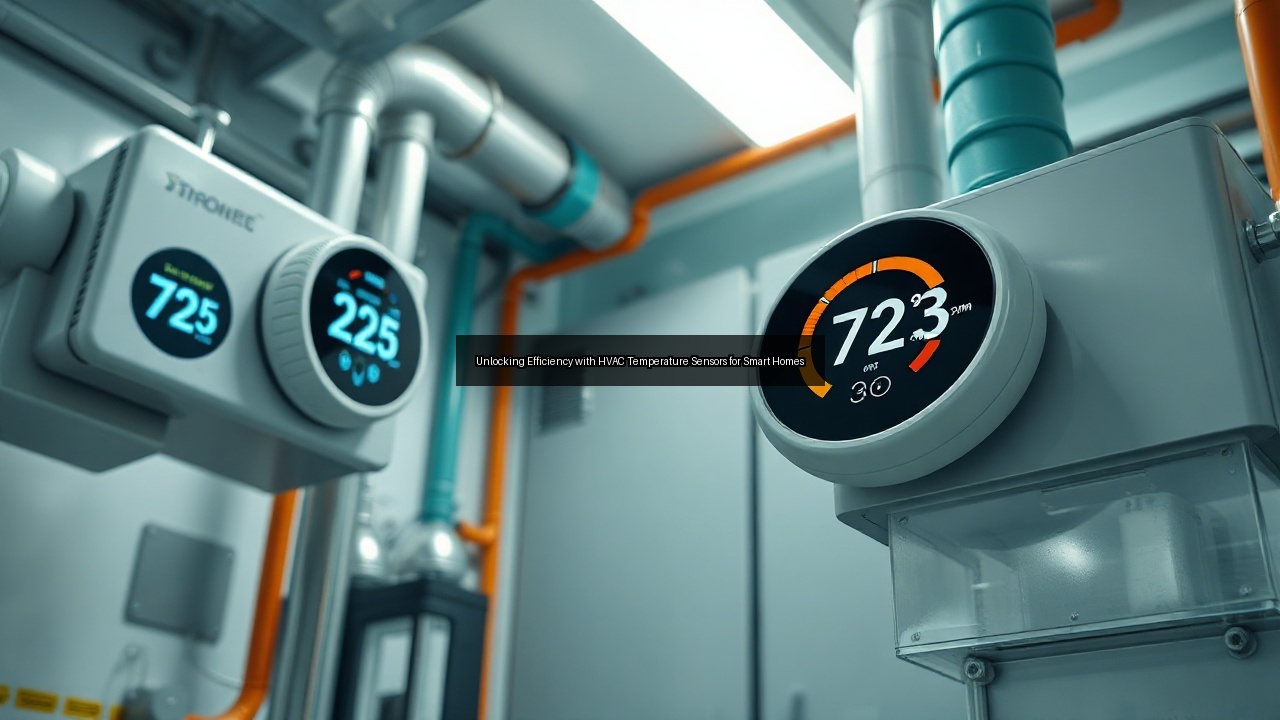
The Importance of Indoor Air Quality and Temperature Control
Understanding Indoor Air Quality
Indoor air quality depends on balanced humidity, fresh air exchange, and stable temperatures that HVAC temperature sensors monitor constantly. Poor air circulation allows pollutants to build up, while accurate readings from these sensors help HVAC systems adjust ventilation rates and filter performance. Facilities managers rely on consistent data to prevent mold growth and reduce respiratory irritants. Effective monitoring also supports compliance with health standards that protect occupants in offices, schools, and homes. When HVAC temperature sensors deliver precise values, climate control improves and energy waste drops. Regular checks ensure sensors remain reliable so that heating and cooling cycles maintain clean, comfortable conditions throughout every season.
How Temperature Affects Indoor Air Quality
Temperature swings directly influence humidity levels and pollutant concentrations inside buildings. High readings can accelerate volatile organic compound release from materials, while low readings promote condensation that fosters bacteria. HVAC temperature sensors detect these shifts early, allowing HVAC systems to activate dehumidification or heating modes before problems escalate. Precise calibration prevents the air handling unit from overworking or underperforming. Occupants notice fewer drafts and stale odors when sensors feed accurate data to thermostats. Temperature control therefore becomes a frontline defense that keeps indoor air quality high without excessive energy use.
The Role of HVAC in Climate Control
HVAC systems deliver climate control by coordinating heating, cooling, and ventilation through integrated HVAC temperature sensors. These devices measure supply and return air temperatures so that the air handling unit can maintain setpoints automatically. Proper sensor placement and calibration prevent short cycling and uneven zones. Building operators use the data to optimize damper positions and fan speeds, which improves both comfort and filtration efficiency. When HVAC temperature sensors operate correctly, they reduce strain on compressors and extend equipment life. Reliable climate control also lowers utility costs while sustaining healthy indoor environments across commercial and residential properties.
Types of HVAC Temperature Sensors
Overview of Temperature Sensors in HVAC Systems
HVAC systems employ several sensor types to track conditions across ducts, zones, and equipment. HVAC temperature sensors sit at strategic points to report real-time values that drive control decisions. Common placements include supply air streams, return plenums, and outdoor intakes. Each location demands specific accuracy ranges so that thermostats and building automation platforms receive trustworthy signals. Sensor output influences everything from chiller staging to reheat coil activation. Understanding these roles helps technicians select devices that match application needs and maintain indoor air quality goals through consistent temperature measurement.
Thermocouples vs. Thermistors: A Comparison
Thermocouples generate voltage changes based on temperature differences and suit wide ranges found in industrial HVAC applications. Thermistors, by contrast, offer higher sensitivity in narrower bands typical of commercial spaces. HVAC temperature sensors using thermistors respond faster to small shifts, improving thermostat responsiveness. Thermocouples withstand harsher environments near boilers or exhaust streams. Calibration procedures differ for each type because drift rates vary. Facilities choose thermistors for precise zone control and thermocouples where durability matters most. Both options support efficient heating and cooling when matched correctly to the HVAC system demands.
Smart Thermostats and Their Impact on Temperature Measurement
Smart thermostats integrate advanced HVAC temperature sensors that communicate wirelessly with building automation networks. These units learn occupancy patterns and adjust setpoints dynamically, reducing unnecessary heating and cooling cycles. Embedded algorithms compare multiple sensor inputs to detect anomalies before they affect indoor air quality. Users access dashboards that display historical temperature data and calibration reminders. Integration with occupancy sensors further refines performance by scaling airflow only where needed. The result is tighter control that cuts energy costs while preserving comfort across varied building loads and schedules.
Calibration Techniques for HVAC Temperature Sensors
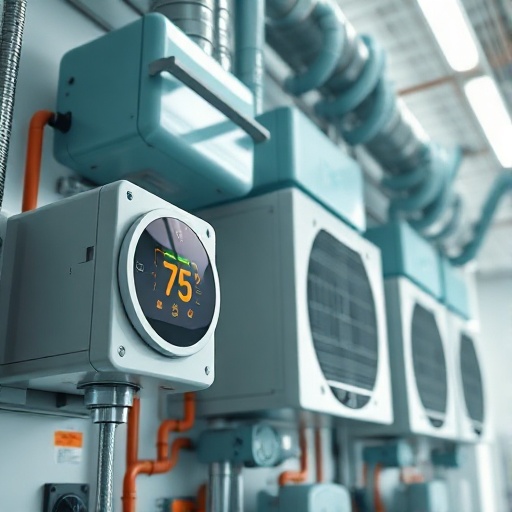
The Calibration Process: Step-by-Step Guide
Technicians begin calibration by isolating the HVAC temperature sensor from the control loop. They compare its output against a certified reference probe at several temperature points. Adjustments follow manufacturer tolerances, then verification confirms repeatability. Documentation records as-found and as-left values for compliance tracking. Final steps include reinstallation and functional testing through the HVAC system to verify climate control accuracy. This structured approach prevents drift from compromising indoor air quality or causing inefficient equipment operation. Consistent execution keeps heating and cooling performance stable year after year.
Tools Required for Effective Calibration
Accurate calibration demands a reference thermometer traceable to NIST standards, a stable temperature bath, and digital multimeters for signal verification. Technicians also use thermowell adapters to protect sensors during testing and software interfaces that log data from smart thermostats. Portable dry-block calibrators provide controlled environments for field work without removing HVAC temperature sensors from service. Proper tool selection ensures measurements stay within required tolerances. Facilities maintain calibration kits on-site to support quick response when sensors fall out of specification and threaten indoor air quality targets.
NIST Standards and Their Importance in Calibration
NIST standards establish traceable references that validate HVAC temperature sensor accuracy across the industry. Following these guidelines guarantees that readings align with national measurement benchmarks used by laboratories and manufacturers. Calibration certificates citing NIST traceability satisfy regulatory audits and insurance requirements. Without adherence, drift can go undetected and degrade climate control performance. Building operators incorporate NIST-aligned procedures into maintenance schedules so that HVAC systems deliver reliable temperature measurement. This foundation protects indoor air quality and supports defensible energy management decisions.
Integrating Automation and Sensors for Enhanced Performance
The Role of Occupancy Sensors in HVAC Systems
Occupancy sensors detect presence and trigger HVAC systems to adjust airflow and temperature setpoints automatically. When paired with calibrated HVAC temperature sensors, these devices prevent overcooling or overheating of vacant spaces. Signals travel through building automation platforms that optimize the air handling unit operation in real time. The combination reduces energy consumption while preserving indoor air quality during occupied periods. Technicians program time delays and sensitivity levels to match usage patterns. Reliable integration ensures heating and cooling resources focus on active zones without sacrificing comfort or air freshness.
Building Automation Systems: A Comprehensive Overview
Building automation platforms collect data from HVAC temperature sensors, thermostats, and occupancy devices to orchestrate entire facility operations. Centralized dashboards display trends that reveal calibration needs before performance drops. Algorithms analyze temperature measurement across multiple zones and command the HVAC system to balance loads efficiently. Integration with fire, lighting, and security systems creates unified responses that maintain indoor air quality during emergencies. Regular updates to control sequences keep automation aligned with evolving occupancy and weather conditions, delivering consistent climate control and lower operating costs.
Data Centers and the Need for Precise Temperature Control
Data centers require tight temperature tolerances to protect servers from thermal stress. HVAC temperature sensors positioned throughout racks and aisles feed continuous data to building automation systems. Even minor drift can trigger unnecessary cooling or allow hot spots that reduce equipment reliability. Calibration routines follow strict schedules because downtime carries high financial penalties. Redundant sensor arrays and thermowell protection maintain accuracy during maintenance. Precise control also supports efficient airflow management that lowers power usage effectiveness while sustaining the clean, stable environment essential for mission-critical operations.
Maintaining Optimal Indoor Environments
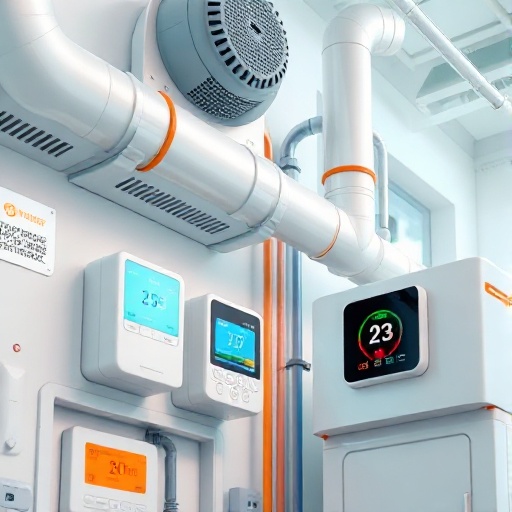
Best Practices for Regular Calibration
Facilities establish annual calibration calendars tied to manufacturer recommendations and usage intensity. Technicians inspect HVAC temperature sensors during filter changes and coil cleanings to catch issues early. Documentation of each session supports trend analysis that predicts future drift. Cross-training staff on reference standards and tool handling ensures consistent execution. Pairing calibration with performance testing of the full HVAC system verifies that climate control meets design intent. These habits protect indoor air quality, extend equipment life, and keep energy costs predictable across commercial and institutional properties.
Troubleshooting Common Temperature Sensor Issues
Erratic readings often trace to loose wiring, corrosion at terminals, or improper thermowell depth. Technicians first verify sensor output against a portable reference before replacing components. Faulty HVAC temperature sensors can cause thermostats to drive excessive heating and cooling cycles that waste energy and degrade air quality. Checking calibration certificates and recent environmental exposure helps isolate root causes. Quick replacement followed by loop verification restores stable temperature measurement. Documenting each incident builds a knowledge base that speeds future diagnostics and prevents repeat failures in HVAC systems.
Future Trends in HVAC Temperature Monitoring
Wireless HVAC temperature sensors and cloud analytics now enable continuous monitoring without manual rounds. Machine learning models predict drift and schedule calibration automatically based on real operating data. Integration with smart thermostats and building automation platforms creates self-optimizing HVAC systems that adjust to occupancy and weather forecasts. Emerging standards push for even tighter accuracy that further improves indoor air quality and energy performance. Facilities adopting these technologies gain proactive maintenance capabilities that reduce downtime and support sustainability goals while maintaining precise climate control.
See Also
- Understanding the Importance of Temperature Sensors in Data Center Efficiency
- The Future of Building Automation is Here with Innovative HVAC Temperature Sensors
- How Smart Thermostats Revolutionize Temperature Monitoring in Modern Buildings
- The Role of Thermistors and Thermocouples in Optimizing Your HVAC System