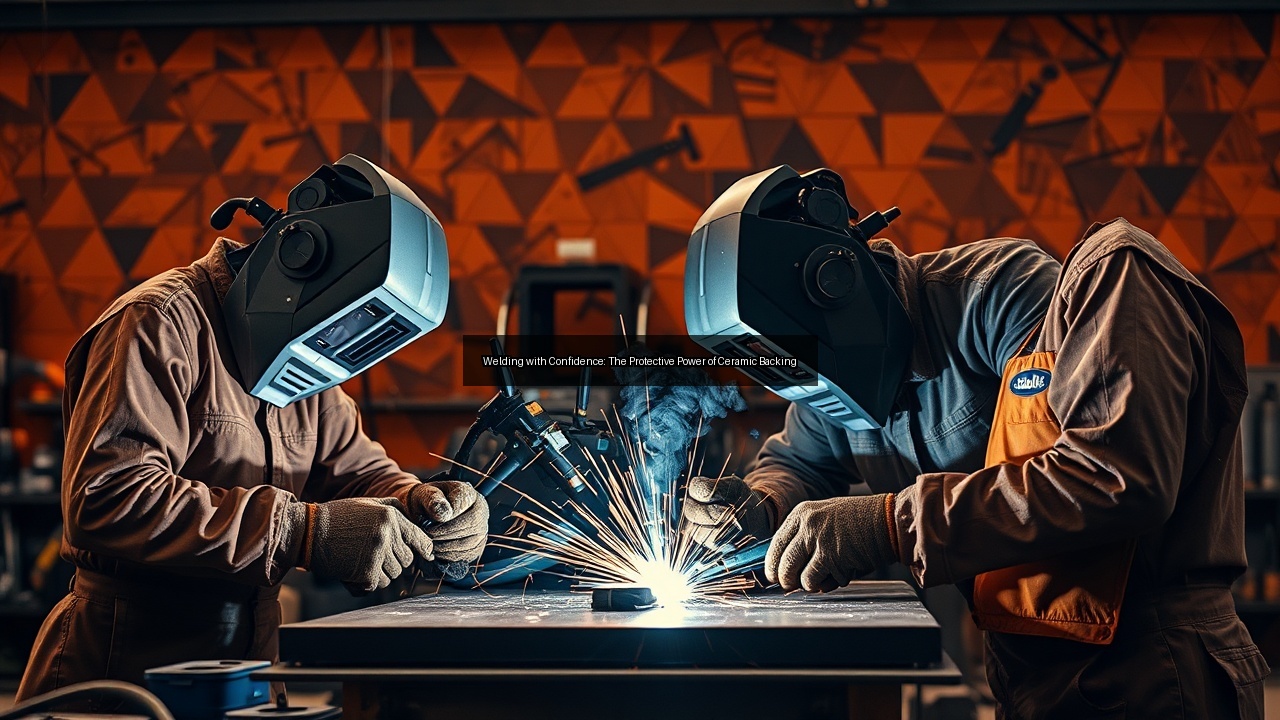
Welding with Confidence: The Protective Power of Ceramic Backing
Understanding Ceramic Backing in Welding
What is Ceramic Backing?
Ceramic backing for welding refers to a specialized material used to provide support during various welding processes. Typically composed of ceramic materials, this backing is placed behind the weld joint to enhance the welding quality and protect the underlying surface. The ceramic backing absorbs heat and prevents burn-through, allowing welders to achieve cleaner and more precise welds. This innovation is particularly valuable in industries where high-quality welds are essential, such as marine, automotive, and aerospace sectors. By utilizing ceramic backing, welders can improve their efficiency and the overall integrity of their welds.
Benefits of Ceramic Backing for Welds
Ceramic backing for welds offers several significant advantages. First, it minimizes distortion and warping in the base materials during the welding process. This characteristic is crucial when working with thin metals, such as aluminum, where precision is paramount. Second, ceramic backing reduces the likelihood of defects such as undercutting and excessive spatter, leading to stronger and more aesthetically pleasing welds. Additionally, ceramic materials withstand high temperatures, making them suitable for various welding techniques, including TIG, MIG, and plasma cutting. The ability to maintain a consistent heat profile enables welders to achieve superior results while minimizing the need for rework.
Comparison with Other Backing Materials
When comparing ceramic backing to other backing materials, several factors come into play. Traditional backing materials, such as steel or copper, can offer some protection but may not provide the same level of heat resistance and control as ceramics. Steel backing can lead to excessive heat retention, increasing the risk of warping in thin materials. In contrast, ceramic backing effectively dissipates heat, promoting even distribution and reducing the risk of weld defects. Additionally, ceramic materials do not react with the molten weld pool, ensuring that the final weld quality remains uncompromised. This makes ceramic backing the preferred option for welders seeking to elevate their work quality and efficiency.
Applications of Ceramic Backing in Welding Techniques
Ceramic Backing in TIG Welding
TIG welding, known for its precision and versatility, greatly benefits from the use of ceramic backing. In this process, welders often work with thin materials, making the risk of burn-through a significant concern. Ceramic backing provides a reliable barrier, absorbing excess heat and preventing damage to the base metal. This backing allows for more controlled arc lengths and enhanced bead appearance. Moreover, the insulating properties of ceramic materials help maintain a stable temperature, essential for producing high-quality welds. As welders become more adept at utilizing ceramic backing, they can significantly reduce the occurrence of defects and improve overall productivity.
Ceramic Backing for MIG and GMAW
MIG welding and Gas Metal Arc Welding (GMAW) also benefit from ceramic backing. In these processes, the continuous wire feed allows for rapid welding speeds, but it can lead to challenges such as spatter and poor penetration. By integrating ceramic backing, welders can mitigate these issues, as the backing aids in controlling the heat and providing support during the weld. The ceramic material’s ability to absorb heat prevents excessive melting of the base metals, ensuring a cleaner and stronger weld. Furthermore, the enhanced stability offered by ceramic backing helps in achieving consistent weld quality, making it a valuable asset in MIG welding applications.
Utilizing Ceramic Backing in Plasma Cutting
Ceramic backing finds its place not just in welding but also in plasma cutting, a process essential for cutting metal with precision. When plasma cutting, the intense heat generated can cause warping and damage to the material. Ceramic backing serves as a protective layer, absorbing heat and preventing burn-through. This is particularly advantageous when working with intricate designs or thin metals. The heat-resistant properties of ceramic materials ensure that the cut remains clean and precise, minimizing the need for additional finishing work. Incorporating ceramic backing into plasma cutting operations allows for smoother workflows and superior outcomes.
Innovations and Industry Leaders in Ceramic Backing
Gullco International: Pioneers in Welding Solutions
Gullco International stands at the forefront of welding innovation, particularly with their advancements in ceramic backing technologies. Known for high-quality welding equipment and automation solutions, Gullco has developed ceramic backing products that enhance the welding experience. Their Katback system exemplifies this commitment to quality and performance. By integrating advanced ceramics into their products, Gullco not only improves weld quality but also extends the lifespan of the backing material itself. This focus on innovation positions Gullco as a key player in the welding industry, helping welders achieve better results with less effort.
Voestalpine's Role in Advancing Ceramic Materials
Voestalpine plays a pivotal role in the advancement of ceramic materials for welding applications. As a leader in steel and technology, Voestalpine has invested significantly in research and development to enhance the properties of ceramic backing. Their commitment to innovation has led to the creation of advanced backing materials that offer superior heat resistance and durability. By collaborating with industry experts and welders, Voestalpine continuously fine-tunes their ceramic products to meet the evolving needs of the market. Their focus on quality and performance helps welders achieve exceptional results across various applications.
The Future of Automation in Welding with Ceramic Backing
The future of automation in welding looks bright, particularly with the integration of ceramic backing technologies. Automated welding systems are becoming increasingly sophisticated, enabling welders to achieve higher precision and efficiency. The use of ceramic backing in these systems enhances the overall welding process by minimizing defects and optimizing heat distribution. As automation continues to evolve, the role of ceramic backing will become even more critical. Innovations in robotics and machine learning will further enhance the capabilities of welders, allowing for seamless integration of ceramic materials into automated workflows. This shift promises to revolutionize the welding industry, making it more efficient and effective.
Safety and Protective Gear for Welders
Importance of Welding Helmets with Ceramic Backing
Welding helmets equipped with ceramic backing offer an essential layer of protection for welders. These helmets are designed to withstand high temperatures and protect against sparks and debris generated during welding. The ceramic backing enhances the helmet's overall durability, ensuring that it remains functional even in the harshest conditions. Moreover, the lightweight nature of ceramic materials makes these helmets comfortable for extended wear, allowing welders to focus on their tasks without discomfort. Investing in high-quality welding helmets with ceramic backing ensures maximum protection and safety during welding operations.
Choosing the Right Protective Gear for Marine and Metal Applications
When selecting protective gear for marine and metal applications, welders must consider several factors to ensure safety and effectiveness. The right gear should include welding helmets, gloves, and aprons made from durable materials that can withstand heat and sparks. For marine applications, additional resistance to corrosion is crucial, as exposure to saltwater can degrade standard materials. Ceramic-backed gear provides enhanced protection against heat while offering longevity in harsh environments. By prioritizing quality and suitability for specific applications, welders can ensure their safety and improve their overall performance.
Integrating Geometry and Adhesives in Welding Projects
Integrating geometry and adhesives into welding projects can significantly enhance the overall quality of welds. Proper geometric alignment ensures that the materials fit together correctly, minimizing gaps and ensuring a strong bond. Adhesives can also play a vital role by providing additional support and stability to the weld joint. When combined with ceramic backing, these elements create a robust framework for achieving high-quality welds. The synergy between geometry, adhesives, and ceramic backing allows welders to tackle complex projects with confidence, resulting in durable and aesthetically pleasing welds.