Transforming Traditional Machining with Swiss Technology
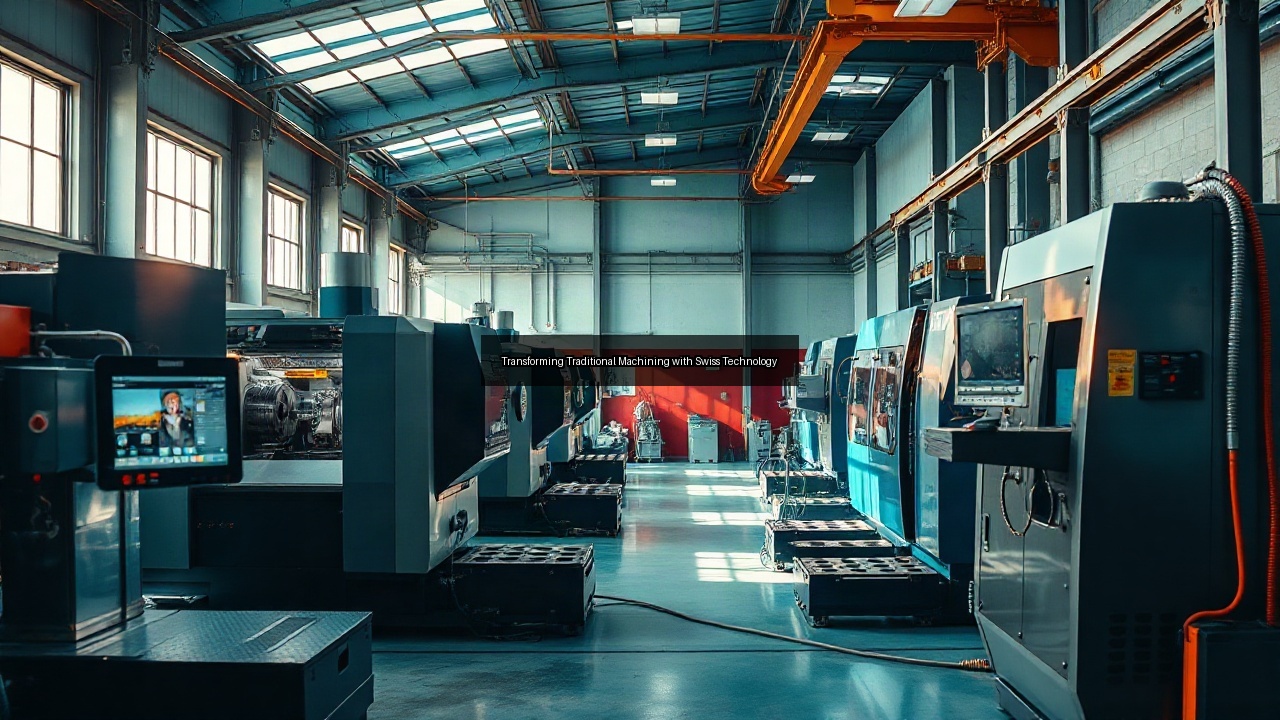
The Evolution of Swiss Machining Technology
Historical Overview of Swiss Machining
Swiss machining boasts a rich history that traces back to the late 19th century in Switzerland. Originally, this technique emerged from the need to produce small, high-precision parts, primarily for the watchmaking industry. Artisans crafted tiny components with meticulous attention to detail, setting the stage for what would become a groundbreaking manufacturing method. The unique demands of watchmaking fostered innovations that transformed traditional machining into a process capable of producing intricate geometries with exceptional accuracy. Over the years, Swiss machining evolved, incorporating advanced technologies that expanded its reach beyond just watches, impacting various sectors such as aerospace, automotive, and medical manufacturing.
Key Innovations in Swiss Lathe Design
Swiss lathe design underwent several pivotal innovations that revolutionized the machining landscape. One of the most significant developments was the introduction of the sliding headstock. This design allows the workpiece to move along with the tooling, drastically enhancing the precision of machined parts. Additionally, the integration of multi-axis capabilities in Swiss style lathes has enabled manufacturers to create complex geometries in a single setup, significantly reducing cycle times. The introduction of live tooling further expanded these lathes' capabilities, allowing for milling operations on the same machine. This combination of features sets Swiss lathes apart, making them ideal for high-volume production of precision components.
The Role of CNC Machines in Swiss Machining
CNC machines have become integral to modern Swiss machining processes. The automation provided by CNC (Computer Numerical Control) technology enhances productivity and precision by minimizing human error. These machines operate by executing programmed commands, allowing for consistent quality across production runs. In Swiss machining, CNC Swiss machines combine the traditional lathe design with advanced software capabilities, enabling manufacturers to produce complex parts with intricate details. The ability to program multiple operations into one sequence optimizes cycle times and reduces setup changes, making CNC Swiss machining a preferred choice for many machine shops. As industries demand higher precision and efficiency, CNC technology continues to reshape Swiss machining, paving the way for future advancements.
Advantages of Swiss Machining in Modern Manufacturing
Enhanced Precision and Accuracy
Swiss machining stands out in modern manufacturing due to its unparalleled precision and accuracy. The design of Swiss lathes allows for tighter tolerances, making them ideal for applications that require intricate details. The unique sliding headstock mechanism ensures that tooling remains in close proximity to the workpiece, reducing the risk of inaccuracies during machining. This level of precision is crucial in industries like aerospace, where the safety and performance of components hinge on meticulous manufacturing processes. The consistency achieved through Swiss machining technology allows manufacturers to produce parts that meet stringent quality standards, reinforcing the method's reputation as a leader in precision machining.
Increased Productivity with Automation
Automation plays a vital role in enhancing productivity within Swiss machining processes. CNC Swiss machines automate repetitive tasks, freeing up skilled operators to focus on more complex operations. This shift not only boosts productivity but also minimizes downtime, as automated systems can run continuously, producing high volumes of machined parts. Furthermore, the integration of advanced software allows for real-time monitoring and adjustments during production, ensuring optimal performance at all times. By streamlining workflows and reducing manual intervention, Swiss machining significantly improves operational efficiency, making it a preferred choice for manufacturers aiming to maximize output while maintaining quality.
Versatility in Geometries and Materials
Swiss machining offers remarkable versatility in both geometries and materials, making it suitable for various applications across different industries. Manufacturers can create complex shapes and intricate designs that would be challenging with traditional machining methods. From tiny screws to larger components, Swiss lathes handle a wide range of part sizes and specifications. Additionally, the capability to work with various materials, including nickel, steel, and plastics, expands the potential applications of Swiss machining. This adaptability allows manufacturers to switch between different projects seamlessly, catering to the diverse needs of clients in sectors such as medical devices, automotive, and aerospace, where unique geometries and material properties often dictate performance.
Applications of Swiss Machining Across Industries
Aerospace Industry Requirements
The aerospace industry demands the highest standards of quality and precision, making Swiss machining a natural fit for producing critical components. Swiss machining technology excels in creating lightweight, strong parts that meet rigorous safety regulations and performance criteria. Components like turbine blades, fittings, and housings require meticulous attention to detail, and Swiss lathes provide the accuracy needed to ensure reliability in flight. The ability to work with specialized materials, such as titanium and high-strength alloys, further enhances Swiss machining's relevance in aerospace applications. With advancements in CNC technology, manufacturers can now produce these components with greater efficiency, ensuring that they keep pace with the industry's rapid growth and machining parts evolving requirements.
Precision Machining for Medical Devices
The medical device sector relies heavily on precision machining to produce components that are both safe and effective. Swiss machining plays a crucial role in this industry, allowing for the production of intricate parts used in surgical instruments, implants, and diagnostic equipment. The ability to achieve tight tolerances is essential in medical applications, where even minor deviations can lead to significant issues. Swiss style lathes facilitate the creation of complex geometries needed for various medical devices while maintaining high-quality standards. The flexibility of Swiss machining also allows manufacturers to adapt quickly to new designs and innovations, ensuring that they remain competitive in a rapidly evolving market.
Utilizing Swiss Technology in Automotive Parts
In the automotive industry, Swiss machining technology is integral to producing precision parts that contribute to vehicle performance and safety. Components such as fuel injectors, transmission parts, and valve assemblies benefit from the accuracy and efficiency provided by Swiss lathes. The ability to machine complex geometries and work with diverse materials allows manufacturers to meet the stringent demands of automotive engineering. Furthermore, as the industry pushes towards electric and hybrid vehicles, the need for innovative components increases. Swiss machining offers the versatility and precision required to keep up with these advancements, ensuring that automotive manufacturers can produce high-quality parts efficiently.
Choosing the Right Swiss Machining Solutions
Selecting Swiss Style Lathes and Equipment
Choosing the right Swiss machining equipment is essential for manufacturers seeking to optimize their production processes. When selecting Swiss style lathes, consider factors such as machine size, capability, and the types of parts to be produced. Different models offer varying features, such as multi-axis capabilities and live tooling options, which can significantly impact productivity and versatility. Additionally, assessing the material requirements and the expected production volumes is crucial in determining the most suitable equipment. Investing in high-quality Swiss machining solutions ensures reliable performance and longevity, ultimately contributing to improved output and reduced operational costs.
Importance of Software in Swiss Machining
Software plays a pivotal role in maximizing the efficiency and precision of Swiss machining processes. Advanced software enables manufacturers to program CNC machines with detailed specifications, ensuring optimal performance during production. Features such as simulation tools allow operators to visualize machining processes before actual production, reducing the risk of errors and minimizing waste. Moreover, software solutions that integrate with machine monitoring systems provide real-time data on production metrics, enabling manufacturers to make informed adjustments on the fly. As the industry continues to embrace digital transformation, the importance of software in Swiss machining will only grow, paving the way for smarter, more efficient manufacturing practices.
Future Trends in Swiss Machining Technology
The future of Swiss machining technology promises exciting advancements that will further enhance productivity and precision. Innovations such as additive manufacturing integration and enhanced automation will likely reshape traditional approaches. The rise of Industry 4.0 will drive greater connectivity between machines and data analytics, allowing for smarter decision-making and predictive maintenance. As manufacturers seek to streamline operations and reduce costs, the adoption of these technologies will become crucial. Additionally, the development of new tooling materials and techniques will expand the capabilities of Swiss machining, enabling the production of even more complex parts with higher efficiency. Staying ahead of these trends will ensure that manufacturers remain competitive in an ever-evolving landscape.