The Environmental Impact of Steel Mill Lubricants and Sustainable Alternatives
Understanding Steel Mill Lubricants
Types of Lubricants Used in Steel Mills
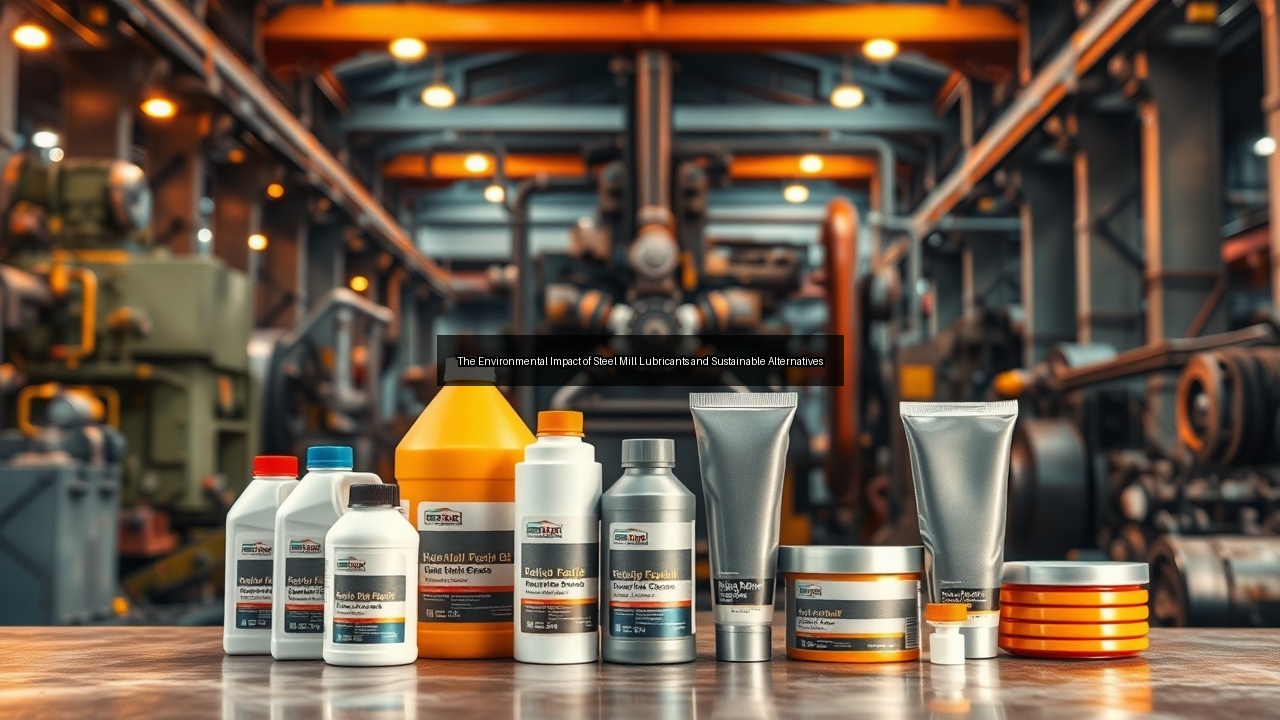
Steel mill lubricants come in various forms, each tailored to meet specific operational needs within the steel industry. Common types include oils, greases, and metalworking fluids. Oils serve as the primary lubricant in many applications, providing essential cooling and friction reduction in processes like continuous casting and hot rolling. Greases, often used in bearings and gears, offer superior adhesion and protection against contaminants, ensuring longevity in equipment performance. Metalworking fluids, which encompass a wider category, play a crucial role in machining processes, enhancing surface finish and wear resistance. The choice of lubricant impacts not only the machinery's efficiency but also the overall productivity of steel mills.
Role of Metalworking Fluids in Steel Production
Metalworking fluids are vital in the steel production process, particularly in operations like rolling and tube bending. These fluids facilitate cooling and lubrication, preventing overheating and reducing tool wear. They enhance the machining process by improving surface quality and extending the life of cutting tools. The right metalworking fluid can significantly influence the outcome of steel production, as improper lubrication may lead to increased friction, reduced efficiency, and higher operational costs. Consequently, selecting the appropriate metalworking fluid becomes essential for manufacturers aiming for optimal performance and cost-effectiveness in their steelworks.
Impact of Lubricating Grease on Equipment Longevity
Lubricating grease plays a critical role in maintaining the integrity of machinery within steel mills. Its consistency and ability to adhere to surfaces provide superior protection against wear and contaminants, crucial in the harsh environments typical of steel production. Grease not only lubricates moving parts but also seals them from dust and moisture, which can cause premature failure. Regular application of high-quality lubricating grease can extend the lifespan of critical components like bearings and gears, ultimately reducing downtime and maintenance costs. In steel plants, where productivity directly influences profitability, effective lubrication through greases ensures smooth operations and minimizes disruptions.
Environmental Concerns Associated with Steel Mill Lubricants
Pollution from Traditional Lubricants
Traditional steel mill lubricants pose significant environmental challenges. Many conventional lubricants contain harmful additives that can lead to soil and water pollution during spills or improper disposal. Lubricating oils and greases can contaminate local ecosystems, affecting wildlife and plant life. Moreover, the production and refinement of these lubricants contribute to greenhouse gas emissions. As steel mills operate on a large scale, the cumulative impact of these pollutants can be substantial, raising concerns among environmental agencies and local communities. Addressing these issues requires a shift towards more sustainable practices in lubricant selection and management.
Water Contamination Issues
Water contamination represents a critical environmental concern in steel mills, primarily due to the disposal of used lubricants. When lubricating oils and greases enter water sources, they can disrupt aquatic ecosystems and pose health risks to humans and wildlife alike. Steel plants often use water in their cooling processes, increasing the likelihood of lubricant contamination. Additionally, the treatment of contaminated water can be costly and complex, straining resources and budgets. Effective management strategies, including proper waste disposal and the use of biodegradable lubricants, are essential to mitigate these risks and protect vital water resources.
Carbon Footprint of Steel Mill Operations
The carbon footprint of steel mill operations is a pressing issue in the fight against climate change. Steel production is energy-intensive, and traditional lubricants contribute to this carbon output. The extraction, refinement, and transportation of lubricants add to the overall emissions associated with steel manufacturing. Additionally, the energy required for lubrication processes can compound these effects. Transitioning to sustainable alternatives not only addresses environmental concerns but can also lead to a reduction in the overall carbon footprint of steel mills. By prioritizing eco-friendly lubricants, steel plants can significantly lower their impact on the environment while maintaining operational efficiency.
Sustainable Alternatives to Traditional Steel Mill Lubricants
Biodegradable Oils and Greases
Biodegradable oils and greases offer a promising solution to the environmental challenges posed by traditional lubricants. These sustainable options break down more easily in the environment, reducing the risk of pollution and ecosystem damage. Many biodegradable lubricants are derived from renewable resources, such as vegetable oils, which not only minimize environmental impact but can also provide excellent lubrication properties. In steel mills, the application of biodegradable lubricants can lead to improved equipment performance and reduced maintenance needs, all while promoting a greener manufacturing process. By adopting these alternatives, steel plants can align their operations with sustainable practices and demonstrate corporate responsibility.
Innovations in Gear Lubricants for Steelworks
Innovations in gear lubricants have transformed steel mill lubrication practices. New formulations enhance the performance of gear lubricants, providing better protection against wear while also being more environmentally friendly. Advanced synthetic lubricants, for example, offer superior resistance to thermal breakdown and oxidation compared to traditional options. These innovations lead to improved operational efficiency, allowing gears to function more effectively in demanding environments like rolling mills. Additionally, the reduction in lubricant consumption and waste associated with these advanced formulations can contribute to lower operational costs and a reduced environmental footprint.
Benefits of Using Eco-Friendly Metalworking Fluids
Eco-friendly metalworking fluids present numerous advantages in steel production, particularly concerning health, safety, and environmental impact. These fluids often contain fewer harmful chemicals, reducing the risk of respiratory issues and skin irritations for workers. Furthermore, their biodegradable nature means they pose less risk of environmental contamination. By adopting eco-friendly metalworking fluids, steel mills not only comply with increasingly stringent regulations but also improve their overall sustainability profile. This transition can lead to enhanced operational efficiency and a commitment to responsible manufacturing practices, benefiting both the industry and the planet.
Future Trends in Steel Mill Lubrication
Advancements in Bearing and Gear Lubrication
The future of steel mill lubrication lies in continued advancements in bearing and gear lubrication technologies. Innovations such as smart lubricants, which adjust their viscosity based on temperature and load conditions, promise to optimize performance and extend machinery life. These developments can significantly reduce energy consumption and maintenance costs while enhancing overall productivity. Furthermore, the integration of IoT technology into lubrication systems allows for real-time monitoring and predictive maintenance, ensuring that lubrication is applied when and where needed. This proactive approach not only improves operational efficiency but also minimizes the environmental impact associated with lubricant use.
Cost Implications of Switching to Sustainable Lubricants
Switching to sustainable lubricants in steel mills involves an initial investment that may raise concerns about cost implications. However, the long-term benefits often outweigh these concerns. Eco-friendly lubricants can lead to reduced maintenance costs, lower disposal fees, and decreased downtime due to fewer equipment failures. Additionally, many steel plants find that the efficiency gains from using advanced lubricants compensate for the initial expenditure. By prioritizing sustainable lubricants, steel mills can achieve not only compliance with environmental regulations but also a competitive edge industrial lubricant in the market.
Enhancing Productivity through Innovative Lubrication Solutions
Innovative lubrication solutions play a pivotal role in enhancing productivity in steel mills. By utilizing advanced technologies and sustainable materials, steel plants can streamline operations and reduce waste. Innovations such as automated lubrication systems ensure consistent application of lubricants, minimizing human error and maximizing equipment lifespan. Moreover, the integration of real-time data analytics allows for informed decision-making regarding lubrication practices, optimizing maintenance schedules and reducing operational disruptions. As the steel industry continues to evolve, embracing these innovative lubrication solutions will be essential for maintaining competitiveness and achieving sustainable growth.