Maximize Efficiency with the Right Oil Storage Containers for Your Needs
Understanding Oil Storage Containers
Types of Oil Storage Containers
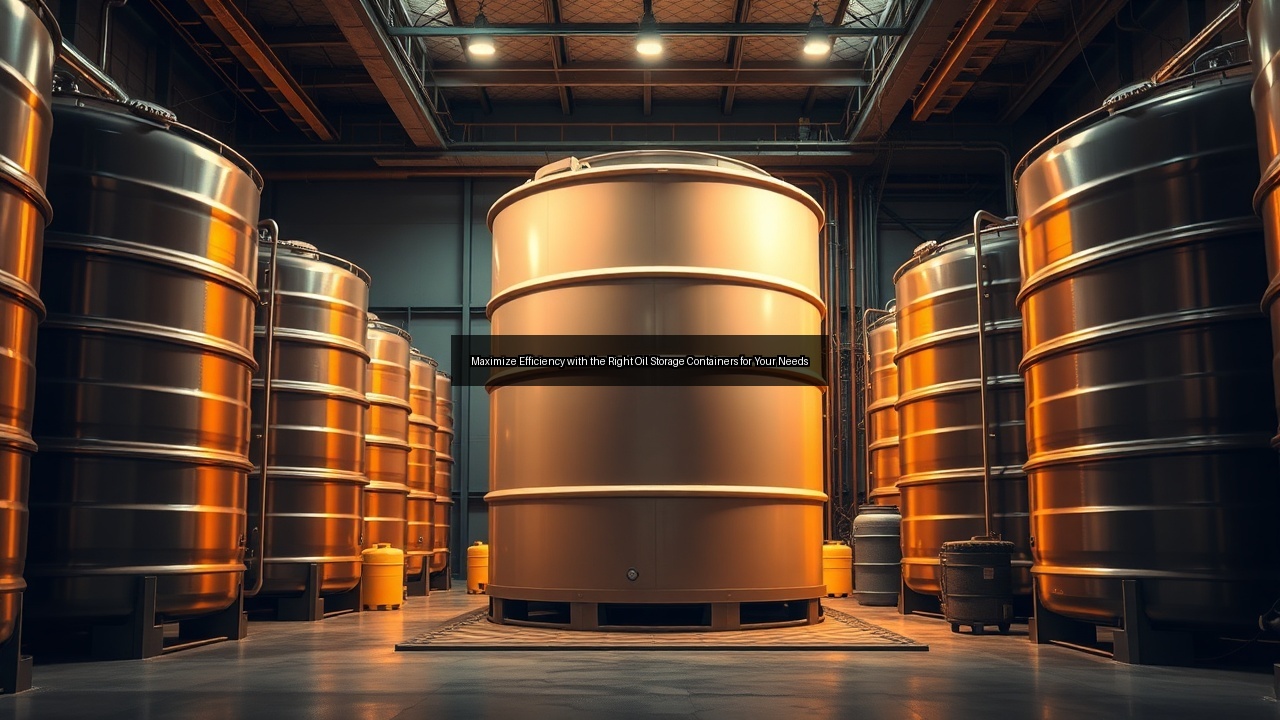
Various oil storage containers cater to different needs across industries. The most common types include above-ground storage tanks, underground storage tanks, drums, and plastic containers. Above-ground oil tanks offer easy accessibility and are often containers for storing oil used for commercial storage, while underground tanks provide a discreet option for residential or industrial applications. Drums, typically made of steel or plastic, are ideal for smaller quantities and can be transported easily. For specific applications, such as lubricants, specialized plastic containers with secure lids serve as effective storage solutions. Each type of container has unique advantages, making it essential to choose the right one based on your storage requirements.
Key Features to Consider
When selecting oil storage containers, several key features should influence your decision. First, the design plays a crucial role in ensuring safety and efficiency. Look for containers with anti-corrosion materials, secure closures, and spill containment systems. The ease of access and transportation is also vital; containers should be designed for easy filling and dispensing. Additionally, consider the compatibility of the container with the specific type of oil or lubricants being stored. For instance, some plastics can react adversely with certain oils, which could compromise the integrity of both the oil and the container. Lastly, ensure compliance with local regulations regarding oil storage, as this ensures both safety and legality.
Common Materials Used in Oil Storage
Oil storage containers are constructed from various materials, each offering unique benefits. Steel is the most common material due to its strength and durability, making it suitable for larger oil tanks. However, plastic containers have gained popularity for their lightweight properties and resistance to corrosion. High-density polyethylene (HDPE) is a popular choice for smaller containers, especially for lubricants, because it does not leach harmful chemicals into the oil. Additionally, composite materials, which combine different substances, can provide excellent resistance to environmental stressors. Understanding the materials used in your oil storage solution is crucial for maintaining the quality and safety of your stored oil.
Choosing the Right Oil Storage Solution
Factors to Consider When Selecting an Oil Tank
Selecting the right oil tank involves evaluating several critical factors. Start by assessing the volume of oil you need to store, as this will determine the tank capacity. Consider the location of the tank; above-ground options may require additional space and structural support. Think about the specific type of oil or lubricants you plan to store; compatibility can dictate your choice of materials and tank design. Additionally, factor in accessibility for filling and dispensing, as well as maintenance requirements. Finally, ensure that your chosen tank meets all relevant safety and environmental regulations to prevent leaks or spills, which can lead to costly fines and environmental damage.
Capacity and Size: Gallons, Liters, and Quarts
Understanding the capacity and size of oil storage containers is vital for efficient storage. Oil tanks come in various sizes, measured in gallons, liters, and quarts, catering to both small and large-scale operations. For personal use, a smaller tank with a capacity of 50 to 100 gallons may suffice, while industrial applications may require tanks that hold thousands of gallons. When calculating the required size, consider the consumption rate of the stored oil or lubricants to avoid running low unexpectedly. Additionally, ensure that your space can accommodate the chosen tank, factoring in any local zoning laws or regulations regarding oil storage.
Gravity Feed vs. Pump Systems
Deciding between gravity feed and pump systems significantly impacts the efficiency of your oil dispensing operations. Gravity feed systems rely on the natural force of gravity to dispense oil, making them simple and low-maintenance options. These systems are cost-effective and suitable for smaller storage needs or where elevation can facilitate flow. On the other hand, pump systems offer more control and flexibility, allowing for precise dispensing of oil, especially in larger operations. They can handle various viscosities and are ideal for transferring oil over longer distances. Understanding the advantages of each system helps you make informed decisions when setting up your oil storage solution.
Best Practices for Oil Storage
Maintaining Oil Quality in Storage Tanks
Maintaining oil quality within storage tanks is crucial for optimal performance and longevity. Contaminants such as water, dirt, and microbial growth can degrade oil, leading to reduced efficiency and increased wear on machinery. To prevent this, regularly inspect and clean storage tanks, ensuring no moisture or debris enters the system. Utilizing oil filtration systems can further enhance oil quality by removing particulates. Additionally, temperature control is essential; store oil in a cool, dry place to prevent degradation. Monitoring oil condition through regular testing can help identify issues before they become significant problems, ensuring that your stored oil remains effective for its intended use.
Safety Measures for Storing Oil and Lubricants
Implementing safety measures in oil storage is non-negotiable. Start by ensuring that storage tanks comply with local regulations regarding size, materials, and installation. Install spill containment systems to prevent environmental contamination in case of leaks. Use proper signage to warn employees of potential hazards associated with oil storage. Ensure that fire safety equipment, such as extinguishers, is readily available and that employees are trained in emergency response procedures. Regular audits of storage practices help identify potential risks and reinforce safety protocols. Prioritizing safety not only protects the environment but also safeguards the well-being of workers and minimizes liability for businesses.
Environmental Considerations for Oil Storage
Environmental considerations play a significant role in oil storage practices. Properly designed storage systems reduce the risk of spills and leaks that can harm ecosystems. Implementing secondary containment measures, such as double-walled tanks or spill trays, can significantly mitigate environmental risks. Additionally, consider the disposal of waste oil; proper recycling and disposal practices prevent contamination of land and water sources. Staying informed about environmental regulations helps businesses avoid penalties and promotes responsible oil storage practices that protect both the environment and public health. By taking these steps, companies can demonstrate their commitment to sustainability while ensuring compliance with legal standards.
Innovations in Oil and Gas Storage
Smart Storage Solutions: Monitoring Systems
Smart storage solutions are transforming the landscape of oil and gas storage. Monitoring systems equipped with sensors provide real-time data on tank levels, temperature, and potential leaks. These technologies enable proactive management of oil inventory, reducing the risk of overfilling and spills. By integrating IoT (Internet of Things) technology, operators can receive alerts on their mobile devices, allowing for immediate action. This not only enhances efficiency but also contributes to better safety and environmental protection. As these smart technologies become more affordable, they will likely become standard in oil storage practices, ensuring optimal performance and regulatory compliance.
The Role of OnePetro in Oil Storage Technology
OnePetro plays a pivotal role in advancing oil storage technology through research and knowledge sharing. This online library provides access to a vast collection of articles, conference papers, and technical documents related to oil and gas storage. By facilitating collaboration among industry professionals, OnePetro enables the development of innovative storage solutions that enhance safety, efficiency, and environmental sustainability. Companies that leverage the insights and findings from OnePetro can stay ahead of industry trends and regulations, ensuring their storage practices remain effective and compliant. The platform serves as a valuable resource for those looking to improve their oil storage strategies.
Future Trends in Oil Storage Containers
The future of oil storage containers is poised for significant advancements driven by technological innovation and environmental consciousness. Emerging trends include the development of eco-friendly materials that minimize environmental impact and enhance safety. Additionally, automated systems for monitoring and managing oil storage will likely become commonplace, streamlining operations and reducing human error. The integration of renewable energy sources in storage facilities may also gain traction, promoting sustainability. As the oil and gas industry evolves, staying informed about these trends will help businesses adapt their storage strategies to meet changing demands and regulatory standards, ensuring long-term success in a competitive landscape.