Key Questions to Ask Your Carbon Steel Distributor
Understanding Your Needs for Carbon Steel
What Types of Carbon Steel Do You Offer?
Choosing the right carbon steel for your project requires a clear understanding of the different types available. A reliable carbon steel distributor should provide a comprehensive range of options, including low carbon steel, medium carbon steel, and high carbon steel. Low carbon steel, typically containing less than 0.3% carbon, is known for its ductility and ease of fabrication, making it ideal for various applications, including construction and sheet metal work. Medium carbon steel, with a carbon content between 0.3% and 0.6%, offers a balance between strength and ductility, often used in the production of steel pipes and automotive components. High carbon steel, containing more than 0.6% carbon, provides exceptional hardness and strength, suitable for tools and high-stress applications. Understanding these differences allows you to select the right material for your needs and ensures that the carbon steel distributor you choose can meet your specific requirements.
How Do You Ensure Quality in Your Carbon Steel Products?
Quality assurance is non-negotiable when it comes to carbon steel. A reputable carbon steel distributor should have stringent quality control measures in place. Inquire about their sourcing practices, including whether they obtain their steel from reputable mills and how they test the materials for compliance with industry standards. Look for certifications such as ISO 9001, which indicates a commitment to quality management systems. Additionally, ask about their inspection processes, including testing for chemical composition and mechanical properties. Understanding the measures your distributor takes to ensure quality will give you confidence in the products you receive and their ability to perform under the demands of your specific applications.
What Are the Specifications for Low, Medium, and High Carbon Steel?
Each category of carbon steel has distinct specifications that dictate its properties and suitable applications. Low carbon steel typically has a carbon range of 0.05% to 0.3% and is known for its malleability and weldability. This type is often used in construction for structural shapes and sheets. Medium carbon steel, with a carbon content of 0.3% to 0.6%, boasts higher strength and hardness compared to low carbon steel, making it suitable for automotive parts and machinery components. High carbon steel, containing 0.6% to 1.4% carbon, is much harder and less ductile, making it ideal for cutting tools and springs. Understanding these specifications will help you communicate your needs effectively to your carbon steel distributor and ensure that you select the appropriate material for your project.
Evaluating the Distributor's Capabilities
What is Your Experience in the Steel Industry?
Experience plays a crucial role in the capabilities of a carbon steel distributor. Companies with extensive industry experience understand the nuances of steel products and can provide insights that newer distributors may lack. Ask about their history in the market, including how long they have been in operation and the types of projects they have supported. Distributors with a long-standing presence often have established relationships with steel mills and suppliers, ensuring a consistent quality of products. Furthermore, their experience allows them to better navigate challenges that may arise in the supply chain, including fluctuations in demand and material availability. Opting for a distributor with a wealth of experience can significantly impact the success of your projects.
Can You Provide References or Case Studies?
Requesting references or case studies from a carbon steel distributor is an excellent way to gauge their reliability and service quality. A trustworthy distributor should be able to share examples of past projects, demonstrating their expertise and the types of carbon steel products they have supplied. Look for case studies that align with your industry or specific needs, as this will provide a clearer picture of how they can support your projects. Additionally, speaking directly with past clients can offer insights into their satisfaction levels, the distributor’s responsiveness, and how effectively they handle challenges. Gathering this information can help you make informed decisions and choose a distributor who meets your expectations.
What Types of Carbon Steel Products Are Available?
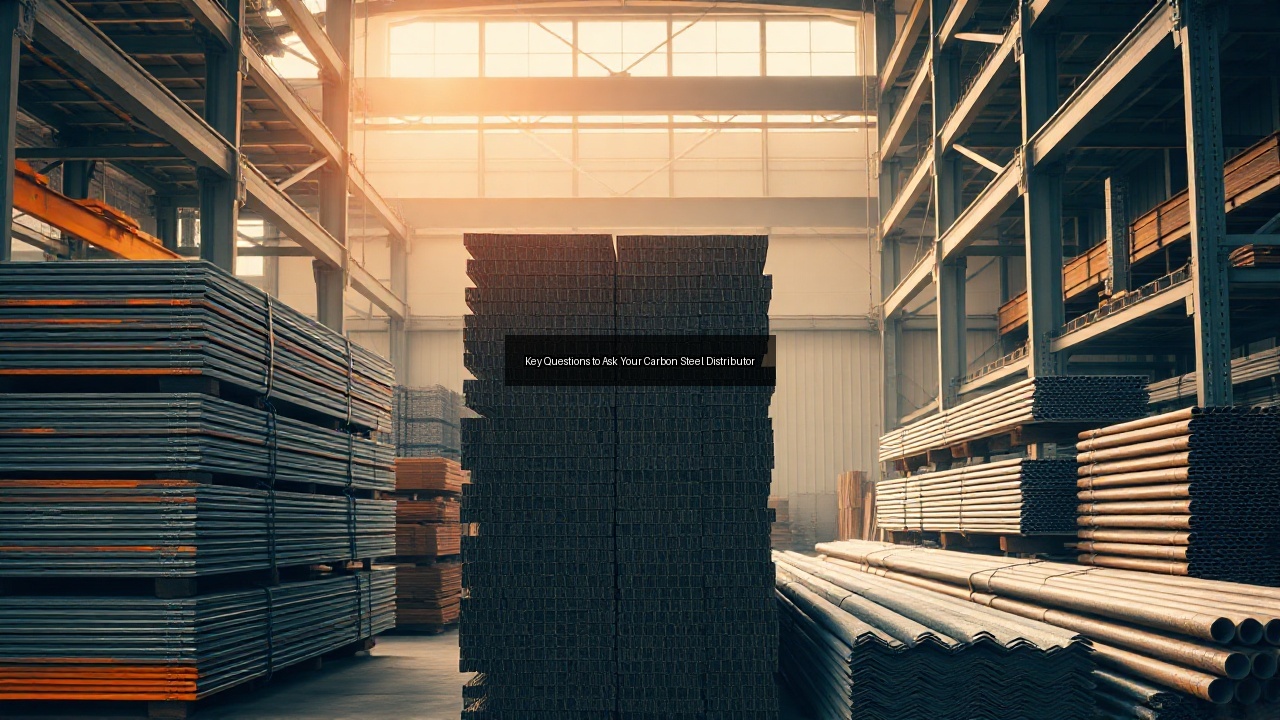
The range of carbon steel products a distributor offers directly impacts your options for various applications. Inquire about the specific forms of carbon steel available, such as plates, sheets, bars, and welded pipes. Different projects may require tailored solutions, so it's essential to ensure your distributor can meet those needs. Additionally, ask whether they supply alloy steels and if they offer any specialized products for unique applications. A versatile carbon steel distributor can provide you with a broader selection of materials that best fit your project requirements, ultimately leading to better outcomes in construction, manufacturing, or any other industry you operate in.
Logistics and Supply Chain Considerations
How Do You Handle Transportation and Delivery?
Transportation logistics can significantly impact the success of your project. A carbon steel distributor should have a clear and efficient transportation strategy to ensure timely delivery of materials. Inquire about their shipping methods, whether they use third-party logistics providers or have their own fleet. Understanding their delivery capabilities, including shipping timelines and coverage areas, is vital, especially if your projects operate on tight schedules. Additionally, ask about how they handle any potential delays or issues that may arise during transportation. A transparent approach to logistics demonstrates the distributor’s commitment to customer satisfaction and their ability to meet your needs effectively.
What is Your Lead Time for Orders?
Lead time is a critical factor when sourcing carbon steel. It indicates how long it will take from the moment you place your order until you receive your materials. Different distributors may have varying lead times based on their inventory levels, production capabilities, and the complexity of your order. Be sure to ask about their average lead times for different products and whether they can accommodate rush orders if necessary. Understanding lead times helps you plan your projects effectively and ensures you have the materials you need when you need them.
Are There Options for Custom Fabrication or Welding?
Many projects require customized solutions, and a capable carbon steel distributor should offer options for custom fabrication or welding. This service can save time and resources, allowing you to receive pre-formed materials that fit your specifications. Inquire about the types of fabrication services they provide, such as cutting, bending, and welding, and whether they have the necessary equipment and expertise to handle complex requirements. Additionally, ask about the quality control measures they implement during fabrication to ensure that the final products meet your standards. Custom services can streamline your workflow and enhance the efficiency of your project.
Post-Purchase Support and Services
What Kind of Technical Support Do You Provide?
Post-purchase support is essential for addressing any issues that may arise after acquiring your carbon steel products. A reliable distributor should offer technical support to help you troubleshoot problems, answer questions, or provide guidance on best practices. Inquire about the availability of their technical team, including how you can reach them and the types of assistance they can provide. This support can be invaluable, particularly in complex projects where specific knowledge about carbon steel applications may be required. A distributor committed to customer service will ensure you have the resources and assistance necessary for successful project outcomes.
Do You Offer Any Return or Warranty Policies?
Understanding the return and warranty policies of your carbon steel distributor is crucial for mitigating risks associated with your purchase. Inquire about their policies regarding defective products, delivery errors, or any other issues that may arise. A reputable distributor should offer some form Distributor of carbon steel of warranty or guarantee on their products, ensuring that you have recourse if the materials do not meet specified standards. Knowing these policies in advance provides peace of mind and helps you evaluate the overall reliability of the distributor. A strong return policy reflects a distributor's confidence in their products and their Distributor of carbon steel commitment to customer satisfaction.
How Do You Handle Customer Feedback and Complaints?
A proactive approach to customer feedback and complaints distinguishes a good carbon steel distributor from a great one. Ask how they gather and respond to customer feedback, as this process reflects their dedication to continuous improvement. Inquire about their complaint resolution procedures and how quickly they address issues. A distributor who values customer input and acts on it demonstrates a commitment to enhancing their services and products. This responsiveness can be a key indicator of the distributor's overall reliability and helps build a strong, long-lasting partnership.
See Also
- The Impact of Quality Control on Carbon Steel Distribution
- The Evolution of Carbon Steel Distribution in a Competitive Landscape
- How Carbon Steel Distributors Can Help You Optimize Your Supply Chain
- Sustainable Practices Among Carbon Steel Suppliers and Distributors
- Why High Carbon Steel is Essential for Specific Applications